Specialty Services
Precision Periodontal and Implant Treatments
Tooth Removal and Bone Grafting
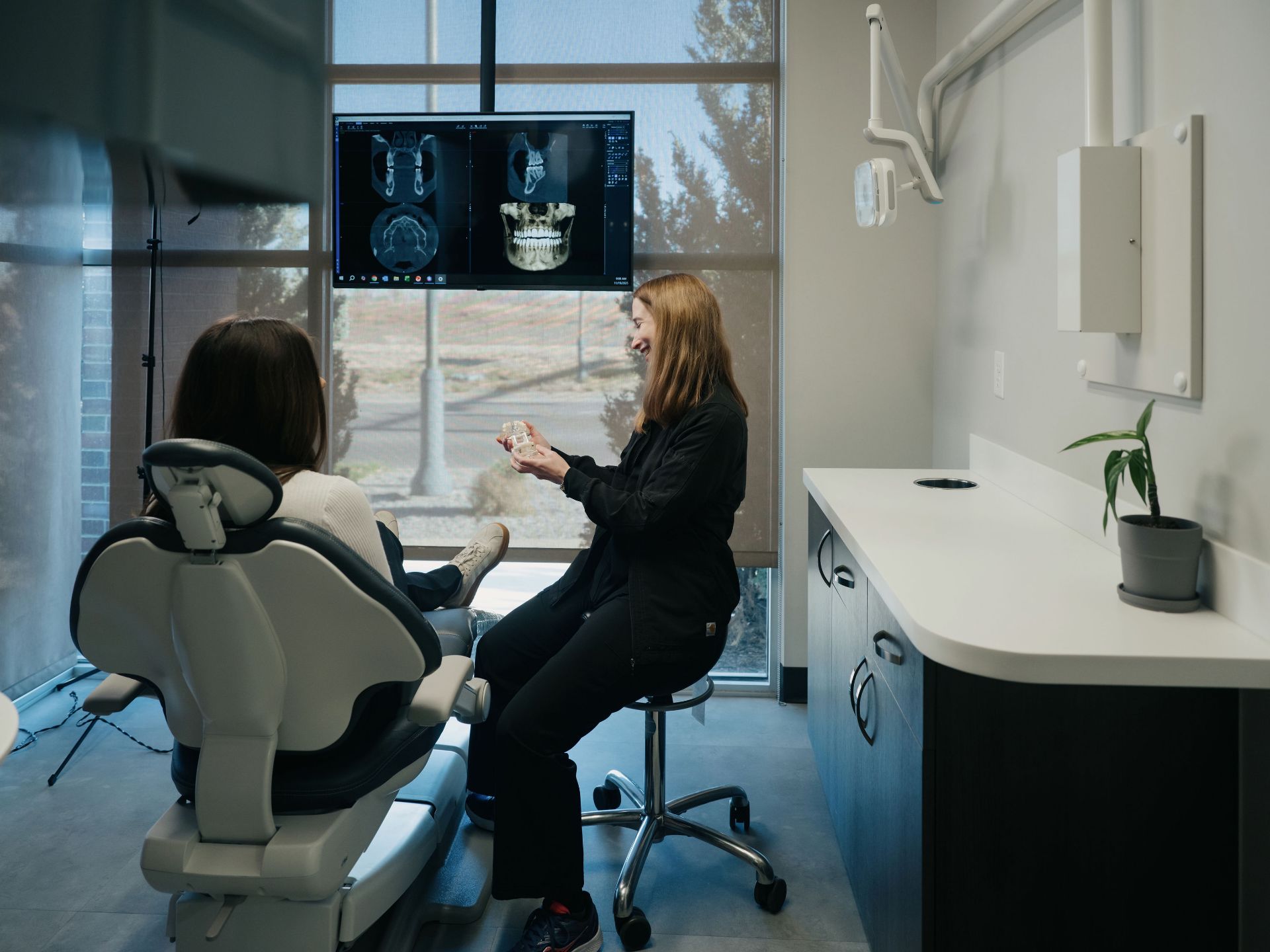
Sometimes a tooth simply can't be saved, whether it's badly decayed, loosened by gum disease, cracked beyond repair, impacted, or in the way of orthodontic treatment, and removing it protects your neighboring teeth and your overall oral health. Because the jawbone naturally starts to shrink once a tooth is gone, we often place a bone graft right at the time of your tooth extraction, a step called ridge preservation that keeps your jaw strong and makes tooth replacement with a dental implant simpler down the road. If bone has already been lost, we can rebuild that foundation with ridge augmentation or a sinus lift—a gentle procedure that adds bone height in the upper jaw—so you have solid support for a long-lasting dental implant. Our Denver and Westminster periodontal team walks you through every step, so you always feel informed, comfortable, and well cared for.
.jpg)


Gum
Treatment and Microsurgery
Your gums are the foundation of a healthy, beautiful smile, protecting the roots of your teeth, preserving bone, and shaping how your smile looks. When gums recede from periodontal disease, aggressive brushing, or natural changes over time, gum grafting is the only way to restore that lost tissue and relieve sensitivity and root exposure. For smiles that show too much gum or teeth that look short or uneven, gingival recontouring reshapes the gumline for better balance and proportion, on its own or in preparation for crowns and veneers. Using advanced periodontal microsurgery and biologics, our Denver and Westminster doctors treat each case with precision, faster healing, and less discomfort.
Periodontal Disease
Periodontal disease is a chronic inflammatory condition that quietly damages the gums and bone supporting your teeth, often without pain, until signs like bleeding gums, bad breath, gum recession, or loose teeth appear. Left untreated, it's the leading cause of adult tooth loss, which is why early periodontal treatment matters. We usually start with non-surgical scaling and root planing (deep cleaning) to remove plaque and calculus, and when disease is more advanced, periodontal surgery lets us clean deeper below the gumline and reshape or graft lost bone for a healthier, more maintainable result. Our Denver and Westminster practices also offers advanced laser therapy with the Fotona LightWalker® to target bacteria and inflammation with greater precision and less discomfort.


Dental Implants
Dental implants are one of the most popular and predictable ways to replace missing teeth—they stay fixed in your mouth and, unlike bridges, don't require altering or attaching to the neighboring teeth. Every implant starts with a thorough diagnostic workup, including a 3D CBCT scan of your jaw to evaluate bone quality, space, and anatomy; from there we may recommend bone or gum grafting before, during, or after placement, and we use 3D planning to position the implant precisely with a custom surgical guide. With proper care and professional maintenance, dental implants can last for many years. Our Denver and Westminster providers are also experienced in treating implant complications like peri-implantitis (inflammation or bone loss around an implant), offering both preventive and corrective care.
Sedation Options
We understand that dental procedures—especially surgical ones—can bring anxiety or discomfort, which is why we offer several forms of dental sedation to help you feel calm, comfortable, and confident throughout your treatment. Whether you have mild nerves or significant dental anxiety, our goal is a safe, closely monitored experience tailored to your needs, so you can comfortably get the care your smile needs. From lighter options that keep you relaxed and aware to deeper sedation for more involved procedures, we'll help you choose what's right for you. Please follow the sedation instructions provided at your initial exam, and don't hesitate to call our Denver or Westminster offices with any questions before your appointment.

Connect
with us
wE CAN’T WAIT TO MEET YOU
Call 720.703.9116 or request an appointment online to set up your first visit. We’ll be in touch soon.